Mean-Reversion & Order-Book-Adaptive Execution Platform
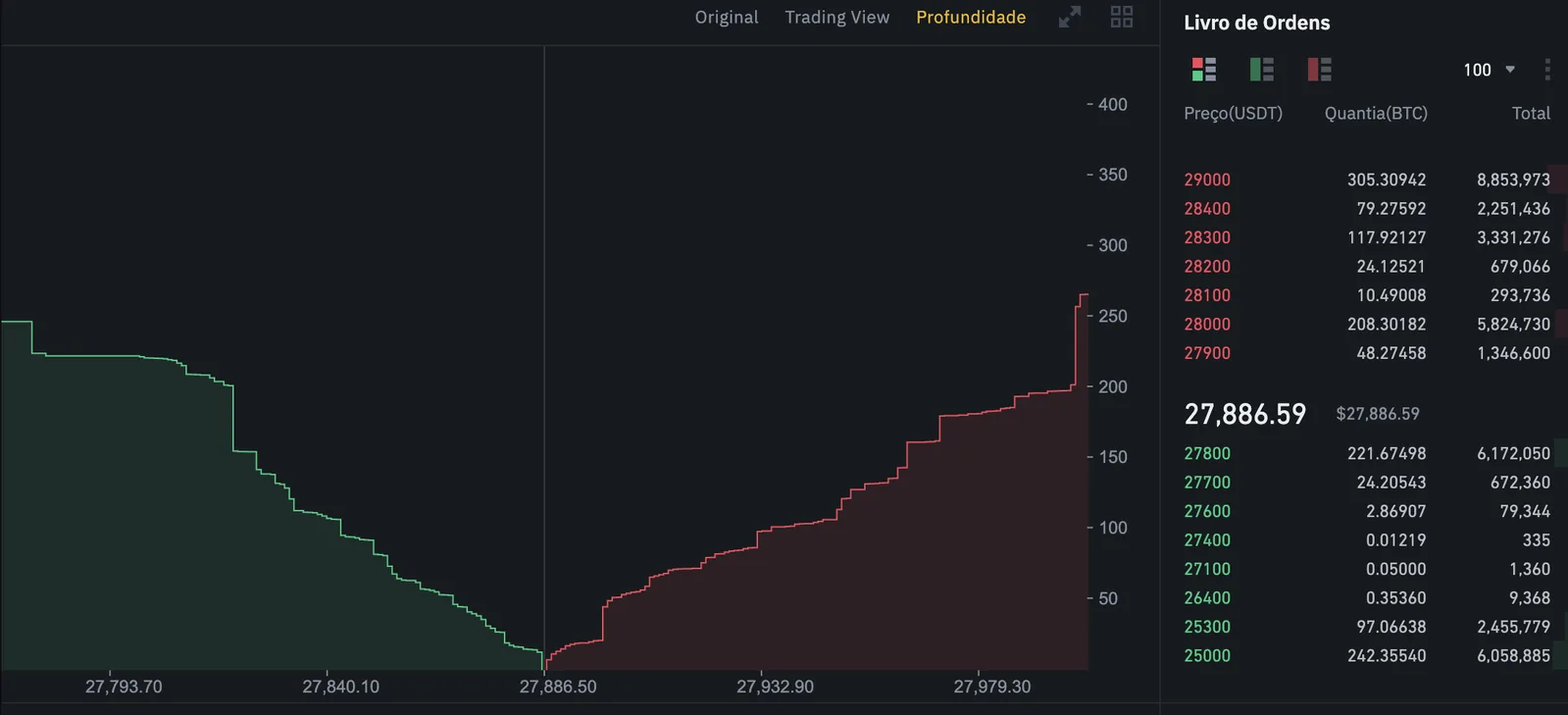
Marsbridge engineered a live execution platform that began as a mean-reversion engine and evolved into an order-book-adaptive framework. The stack ingests market depth, derives a central-price signal to guide order placement, and manages multi-venue orders with risk and reliability controls. The platform includes a cloud runtime, a configuration/database layer, continuous monitoring, and operational runbooks—delivered without disclosing proprietary trading rules.
Customer
Starting from a mean-reversion engine, the client sought execution intelligence that adapts to order-book conditions across regions and asset types—within realistic broker/data constraints and production-grade operations.
Challenge
- From quotes to decisions: Convert market-depth information into a robust central-price indicator to improve queue placement and reduce adverse selection.
- Data/venue constraints: Depth access varies by venue/provider; the platform must operate under connection and entitlement constraints.
- Operational realities: Opening/closing auctions, partial data, and roaming access can disrupt trading; guardrails are needed for reliability.
- Unified data hygiene: Maintain continuous futures and corporate-action-aware equities in the same environment for cross-asset visibility—without exposing instrument lists or roll rules.
Solution
Approach: A cross-functional squad—Quant/Tech Lead, Execution Engineer, Data/Infra Engineer, QA/Ops Analyst—delivered iteratively on cloud infrastructure.
Architecture & runtime
Hardened cloud nodes with secure remote access and entitlement management; centralized configuration + relational DB to manage instruments, parameters, and audit logs.

Order-book-adaptive execution
Built a depth-aware central price, standardized execution policy templates, and per-symbol depth acquisition modes to manage data constraints.

Cross-asset data hygiene
Integrated continuous futures series and dividend/corporate action updates into the runtime for consistent, cross-asset analytics.
Technologies & tools
Python services for ingestion, central-price modeling, orders, and monitoring
Broker API for orders/executions, market-data feeds for quotes and depth (vendors generalized)
Relational database for state, audit, and configuration, file artifacts for diagnostics and reviews
Process
- Kickoff & node prep — Cloud access, entitlements, parity checks with the existing research codebase.
- Book-model prototype — Implement depth-aware central price; calibrate parameters on a pilot symbol set.
- Execution refinements — Apply policy templates for placement/pacing; enable lot-sizing and visibility controls; add depth modes.
- Auction/edge-case guards — Introduce auction-aware protections and self-order filtering; stabilize behavior across venues.
- Data hygiene — Unify continuous-contract and dividend updates in the operational data plane; schedule quality checks.
- Go-live & iterate — Deploy, monitor, and refine based on diagnostics and operator feedback.
Team


Results
- Order-book awareness: Execution decisions incorporate depth conditions, improving consistency of queue placement and reducing avoidable adverse fills.
- Operational resilience: Depth-mode controls, auction protections, and hardened access support day-to-day reliability under data-plan constraints.
- Unified data plane: The same runtime maintains continuous futures and dividend updates for cross-asset oversight without exposing proprietary roll/adjustment rules.
Sanitization note: All indicator values, decay/weighting formulas, subscription counts, venue-specific behaviors, timing windows, symbol lists, and capital/lot rules have been intentionally generalized or removed.
Upgrade Your Execution Brain
Outgrowing static mid-price logic? We turn order-book data into a tunable central-price signal with policy controls and guardrails your trading team can trust—without exposing your proprietary strategy.
Related Case Studies: Algorithmic Trading Development



Request a Consultation
Drop us a line! We are here to answer your questions within 1 business day.
What happens next?
Once we’ve received and processed your request, we’ll get back to you to detail your project needs and generally sign an NDA to ensure confidentiality.
After examining your project requirements, our team will devise a proposal with the scope of work, team size, time, and cost estimates.
We’ll arrange a meeting with you to discuss the offer and nail down the details.
Finally, we’ll sign a contract and start working on your project with agreed timeline